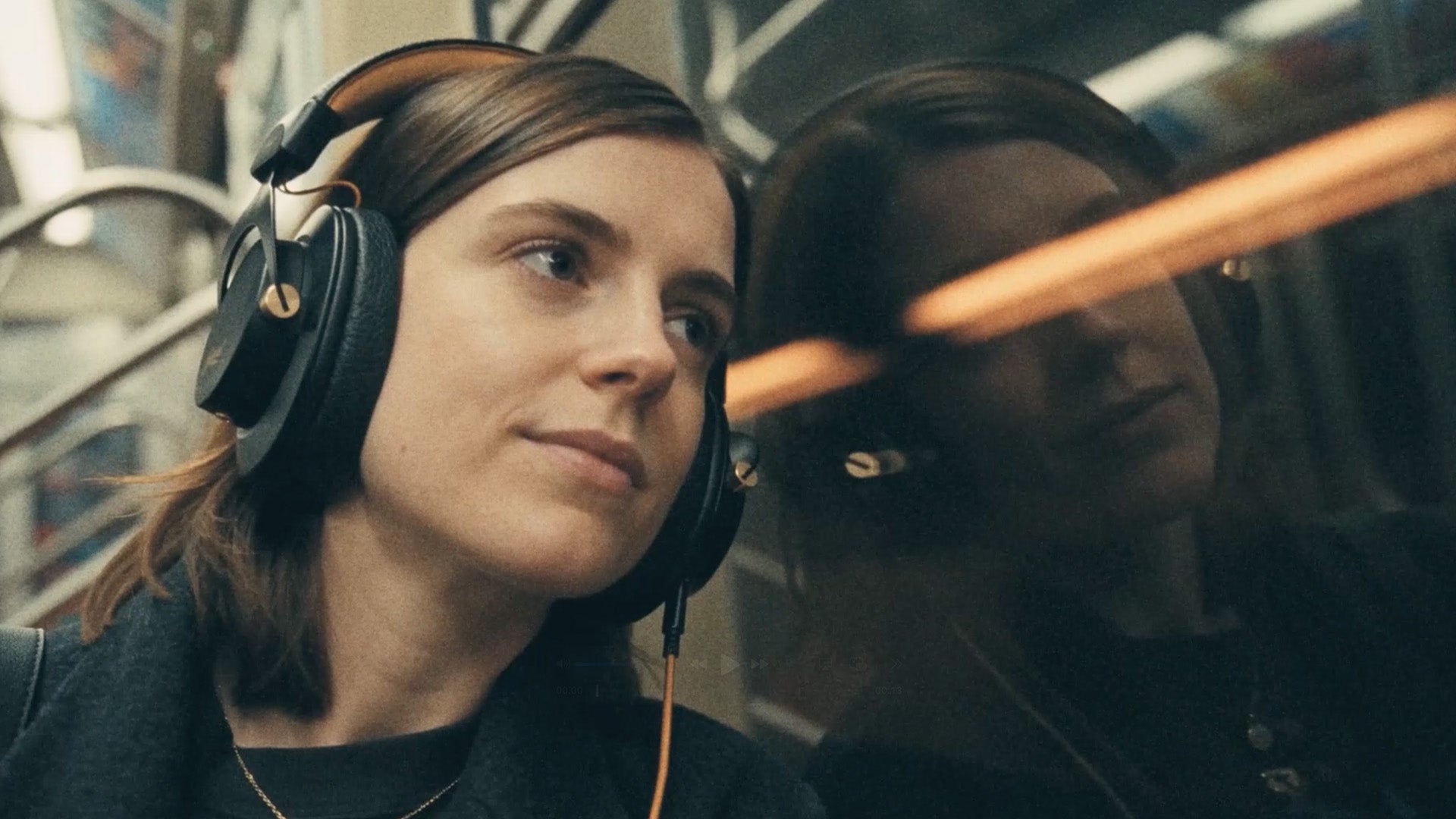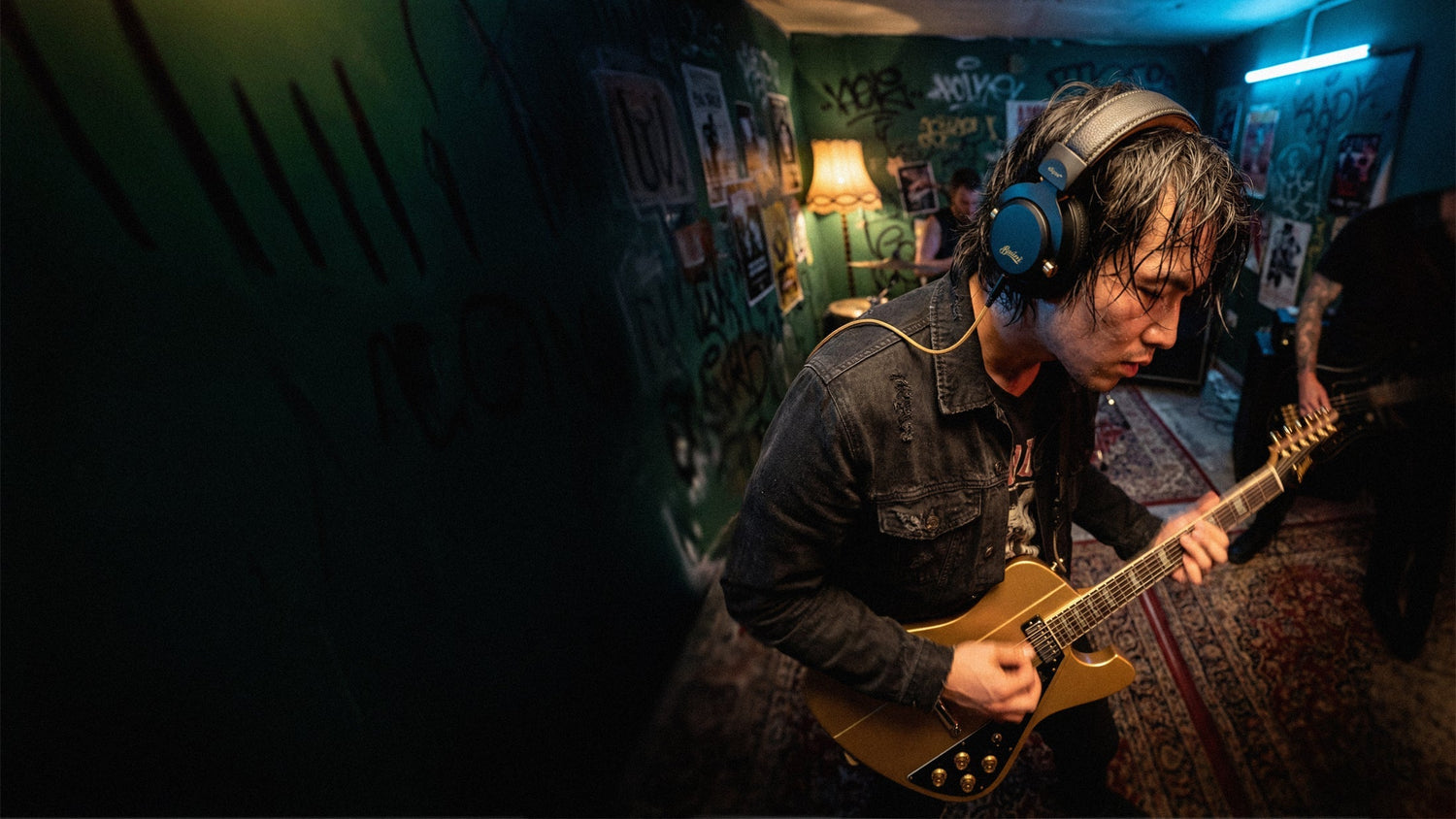
Baum's choices to feel the music
A good pair of headphones changes how you hear music. But not all music reveals that equally.
Some tracks are recorded and mixed in a way that exposes everything — the depth of the low end, the space between instruments, the breath in a vocal. Others are so compressed or flat that even the best headphones cannot do much with them.
These are ten tracks we keep coming back to. Each one tests something specific. Put them on, close your eyes, and listen for what we point out. You will hear things you have never noticed before.
For dynamics — the difference between loud and quiet
Queen — "Bohemian Rhapsody" (A Night at the Opera, 1975)
Almost everyone knows this song, which makes it one of the most useful tests on this list. You already know what it is supposed to sound like — so you will immediately notice if something is off. The layered harmonies in the operatic section are a real test of separation: each vocal part should be distinct, not blended into a wall of sound. The dynamic shift from the quiet piano opening to the full rock section at the end should feel dramatic and physical. Listen for the depth in the layers and the clarity of Freddie Mercury's voice in the quieter moments.
Almost everyone knows this song, which makes it one of the most useful tests on this list. You already know what it is supposed to sound like — so you will immediately notice if something is off. The layered harmonies in the operatic section are a real test of separation: each vocal part should be distinct, not blended into a wall of sound. The dynamic shift from the quiet piano opening to the full rock section at the end should feel dramatic and physical. Listen for the depth in the layers and the clarity of Freddie Mercury's voice in the quieter moments.
Led Zeppelin — "Whole Lotta Love" (Led Zeppelin II, 1969)
The dynamic range on this track is enormous. The verses are restrained. The chorus hits like a wall. And the middle section — the psychedelic breakdown — drops to near-silence before the band comes crashing back in. A headphone that compresses dynamics will flatten all of this. A good one will make the contrast feel physical.
The dynamic range on this track is enormous. The verses are restrained. The chorus hits like a wall. And the middle section — the psychedelic breakdown — drops to near-silence before the band comes crashing back in. A headphone that compresses dynamics will flatten all of this. A good one will make the contrast feel physical.
Pink Floyd — "Money" (The Dark Side of the Moon, 1973)
The cash register sounds at the opening are a spatial test — they move across the stereo field in a way that should feel like objects moving around you. The bass riff that follows is one of the most recognisable in rock, and it should have real weight and texture. Listen for how the track breathes between the sections.
The cash register sounds at the opening are a spatial test — they move across the stereo field in a way that should feel like objects moving around you. The bass riff that follows is one of the most recognisable in rock, and it should have real weight and texture. Listen for how the track breathes between the sections.
For soundstage and space
Radiohead — "Weird Fishes / Arpeggi" (In Rainbows, 2007)
One of the best-recorded rock tracks of the last twenty years. The guitars layer and build across the stereo field, and the drums sit in a specific place in the room. On a good pair of headphones, the whole thing feels three-dimensional — like you are standing inside the mix. Listen for how the guitars separate as the track builds. Each one has its own position.
One of the best-recorded rock tracks of the last twenty years. The guitars layer and build across the stereo field, and the drums sit in a specific place in the room. On a good pair of headphones, the whole thing feels three-dimensional — like you are standing inside the mix. Listen for how the guitars separate as the track builds. Each one has its own position.
Massive Attack — "Angel" (Mezzanine, 1998)
A slow, rolling bassline that starts deep and keeps going. The sub-bass on this track is a real test — it should feel physical, not just audible. But the real thing to listen for is the space around the vocals and the way the track breathes. It is a masterclass in atmosphere.
A slow, rolling bassline that starts deep and keeps going. The sub-bass on this track is a real test — it should feel physical, not just audible. But the real thing to listen for is the space around the vocals and the way the track breathes. It is a masterclass in atmosphere.
For bass and low-end control
Billie Eilish — "bad guy" (When We All Fall Asleep, Where Do We Go?, 2019)
Produced by Finneas with extreme precision. The bass is clean and punchy — it hits hard without muddying the rest of the mix. If your headphones smear the low end, you will hear it immediately here. Listen for how tight the kick drum sits against the bass. They should be distinct, not blended.
Produced by Finneas with extreme precision. The bass is clean and punchy — it hits hard without muddying the rest of the mix. If your headphones smear the low end, you will hear it immediately here. Listen for how tight the kick drum sits against the bass. They should be distinct, not blended.
Daft Punk — "Giorgio by Moroder" (Random Access Memories, 2013)
One of the best-produced albums ever made, and this track is a showcase. It moves through multiple sonic textures — spoken word, synthesizers, live drums — and the low end builds gradually throughout. Listen for the moment the full band comes in. The bass should be warm and controlled, not boomy.
One of the best-produced albums ever made, and this track is a showcase. It moves through multiple sonic textures — spoken word, synthesizers, live drums — and the low end builds gradually throughout. Listen for the moment the full band comes in. The bass should be warm and controlled, not boomy.
Hans Zimmer — "Why So Serious?" (The Dark Knight, 2008)
A cinematic sub-bass test like no other. The track builds slowly from near-silence into something that should feel genuinely physical — a low-frequency rumble that sits below what most headphones can fully reproduce. If your headphones have real sub-bass extension, you will feel this as much as hear it. The vast, unsettling soundscape around it also makes this one of the most revealing tracks for spatial depth and dynamic range. Turn it up, close your eyes, and let it build.
A cinematic sub-bass test like no other. The track builds slowly from near-silence into something that should feel genuinely physical — a low-frequency rumble that sits below what most headphones can fully reproduce. If your headphones have real sub-bass extension, you will feel this as much as hear it. The vast, unsettling soundscape around it also makes this one of the most revealing tracks for spatial depth and dynamic range. Turn it up, close your eyes, and let it build.
For vocal clarity and intimacy
Jeff Buckley — "Hallelujah" (Grace, 1994)
Buckley's voice is one of the most demanding tests for a headphone. The range is extraordinary — from a near-whisper to a full-throated cry — and the recording captures every nuance. On good headphones, it feels like he is in the room with you. Listen for the texture in his voice, especially in the quieter moments.
Buckley's voice is one of the most demanding tests for a headphone. The range is extraordinary — from a near-whisper to a full-throated cry — and the recording captures every nuance. On good headphones, it feels like he is in the room with you. Listen for the texture in his voice, especially in the quieter moments.
Nick Cave & The Bad Seeds — "Into My Arms" (The Boatman's Call, 1997)
Just piano and voice, recorded with almost no production. There is nowhere to hide. The piano should sound like a piano — with the resonance of the strings and the weight of the keys. Cave's voice should sit right in front of you. If a headphone flatters or colours the sound, you will hear it here.
Just piano and voice, recorded with almost no production. There is nowhere to hide. The piano should sound like a piano — with the resonance of the strings and the weight of the keys. Cave's voice should sit right in front of you. If a headphone flatters or colours the sound, you will hear it here.
Kacey Musgraves — "Slow Burn" (Golden Hour, 2018)
A beautifully restrained opening track. The production is warm and spacious — acoustic guitar, subtle synth pads, Musgraves' voice sitting right at the centre. Listen for how her vocal breathes and how the reverb trails off into the space around it. It is a gentle track, but it reveals a lot about how a headphone handles warmth, depth, and the natural decay of sound.
A beautifully restrained opening track. The production is warm and spacious — acoustic guitar, subtle synth pads, Musgraves' voice sitting right at the centre. Listen for how her vocal breathes and how the reverb trails off into the space around it. It is a gentle track, but it reveals a lot about how a headphone handles warmth, depth, and the natural decay of sound.
For detail and instrument separation
Steely Dan — "Peg" (Aja, 1977)
Aja is one of the most obsessively recorded albums in history. Every instrument is placed with surgical precision. "Peg" is a good entry point — listen for the guitar solo, which sits in a very specific place in the stereo field, and the way the bass and drums lock together without ever competing. If your headphones can separate all of this cleanly, they are doing their job.
Aja is one of the most obsessively recorded albums in history. Every instrument is placed with surgical precision. "Peg" is a good entry point — listen for the guitar solo, which sits in a very specific place in the stereo field, and the way the bass and drums lock together without ever competing. If your headphones can separate all of this cleanly, they are doing their job.
Tool — "Chocolate Chip Trip" (Fear Inoculum, 2019)
A drum solo that doubles as a soundstage test. Danny Carey plays across a massive kit, and the recording captures the full three-dimensional spread of it. Listen for how far left and right the cymbals reach, and how the toms move around you. On a wide, detailed headphone, this track is extraordinary.
A drum solo that doubles as a soundstage test. Danny Carey plays across a massive kit, and the recording captures the full three-dimensional spread of it. Listen for how far left and right the cymbals reach, and how the toms move around you. On a wide, detailed headphone, this track is extraordinary.
A note on how to listen
These tracks reward full attention. Put them on at a volume that feels present — not background. Close your eyes. Give each one at least two minutes before you start forming opinions.
The first time you hear something you have never noticed before in a track you know well, you will understand what a good pair of headphones actually does.
The ellipse™ was tuned for exactly this kind of listening. The 50mm drivers and wide soundstage are built to reveal what is in a recording — not to flatter it.