And What It Says About How We Want to Listen
The soft hiss as the needle finds the groove. The weight of a 12-inch record in your hands. The moment before the music starts.
If you have only ever streamed music, those sensations might sound like nostalgia for something you never had. But vinyl sales have been climbing steadily for over a decade — and the people buying records are not just older listeners chasing the past. A significant part of the audience is younger people who grew up with streaming and are choosing to go the other way.
That is worth paying attention to.
It is not about the format. It is about the experience.
Streaming has made music cost almost nothing. Every record ever made, available instantly, on demand. And somewhere in that abundance, music lost a bit of its value.
Not its quality. Its value — the weight we give it, the attention we bring to it. When something is free and infinitely available, we tend to treat it that way. We half-listen. We skip. We put it on in the background and forget it is even playing. The music is there, but we are not really with it.
There is a well-known psychological principle at work here: we value things more when they cost us something — money, time, effort, attention. A record you saved up for, drove to a shop to find, and carefully carried home sits differently in your mind than a playlist that auto-generated itself while you were doing something else.
Vinyl forces a different relationship with music. You choose a record deliberately. You take it out of the sleeve. You put it on. You sit down. You listen to a side — roughly twenty minutes — before you have to do anything. The format itself slows you down and asks you to be present.
For a lot of people, that is not a limitation. It is the point.
What musicians hear in it
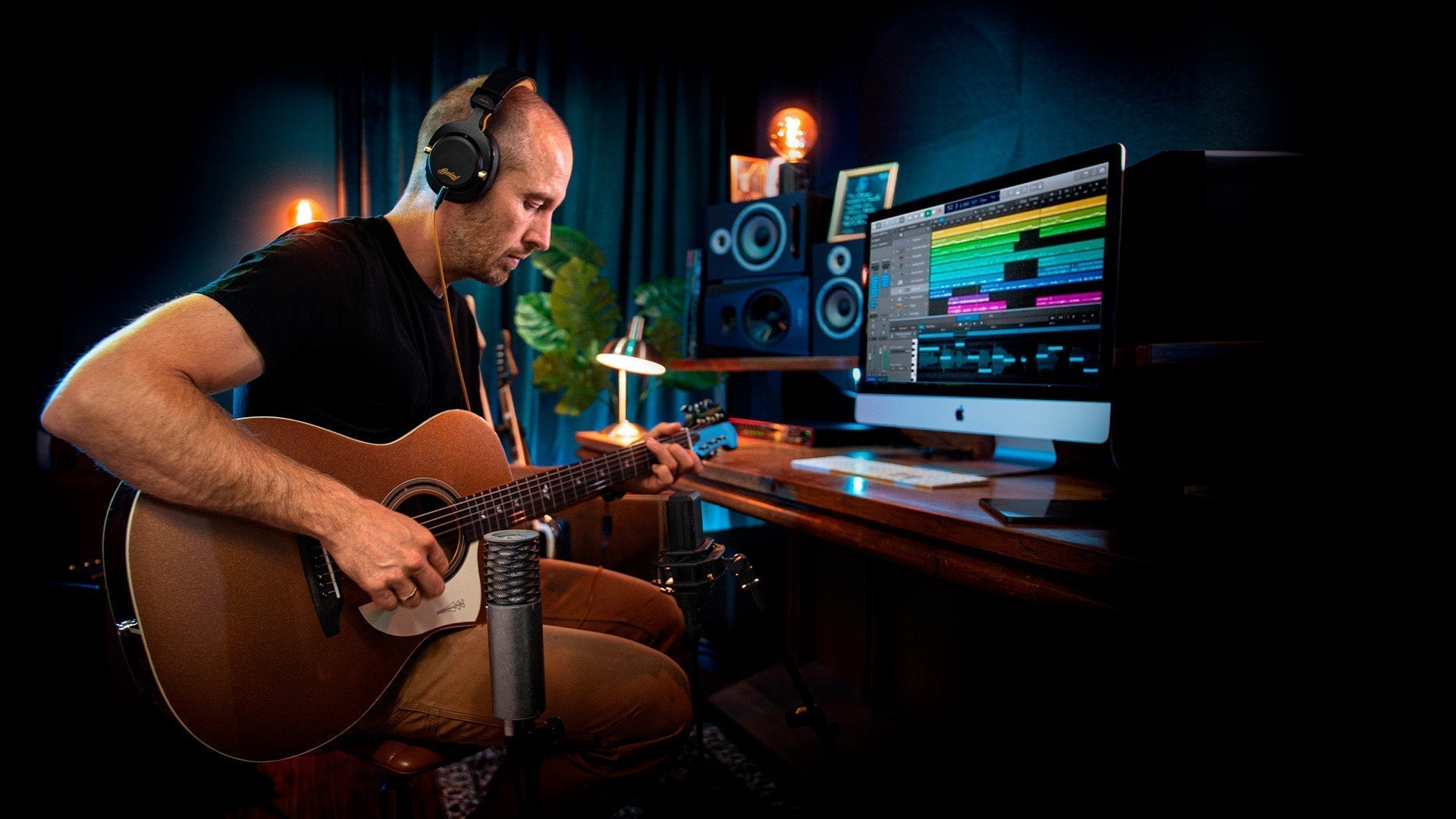
We make instruments. We spend a lot of time thinking about how music is created — the decisions that go into a recording, the dynamics, the space, the intention behind every part. And when we listen back to that work, we want to hear it properly.
Vinyl does something that streaming does not: it preserves the analog signal without digital compression. The audio is warmer, more textured, more alive. You hear things in a recording that disappear in a compressed digital file — the room, the breath, the subtle detail in the low end. For musicians who know what went into making a record, that matters.
There is also something about the physical object. An album on vinyl has weight. It has artwork you can hold. It has liner notes. It is a thing, not a file. And that physicality creates a different kind of connection to the music — one that feels more like ownership, more like a relationship, than a stream that disappears when you close the app.
The ritual is the point
The charm of vinyl is more than just sound. Its tangible nature offers a physical connection to the music — turning listening into a deliberate ritual, deepened by the artwork and the act of putting the record on. That is a sharp contrast to the frictionless, forgettable nature of digital files.
That ritual is not inefficiency. It is attention. It is the difference between eating a meal and grabbing something on the way out the door. Both feed you. Only one is actually an experience.
Vinyl is not coming back because it is better technology. It is coming back because people are remembering what it felt like to actually listen — and wanting more of that.
Vinyl and headphones
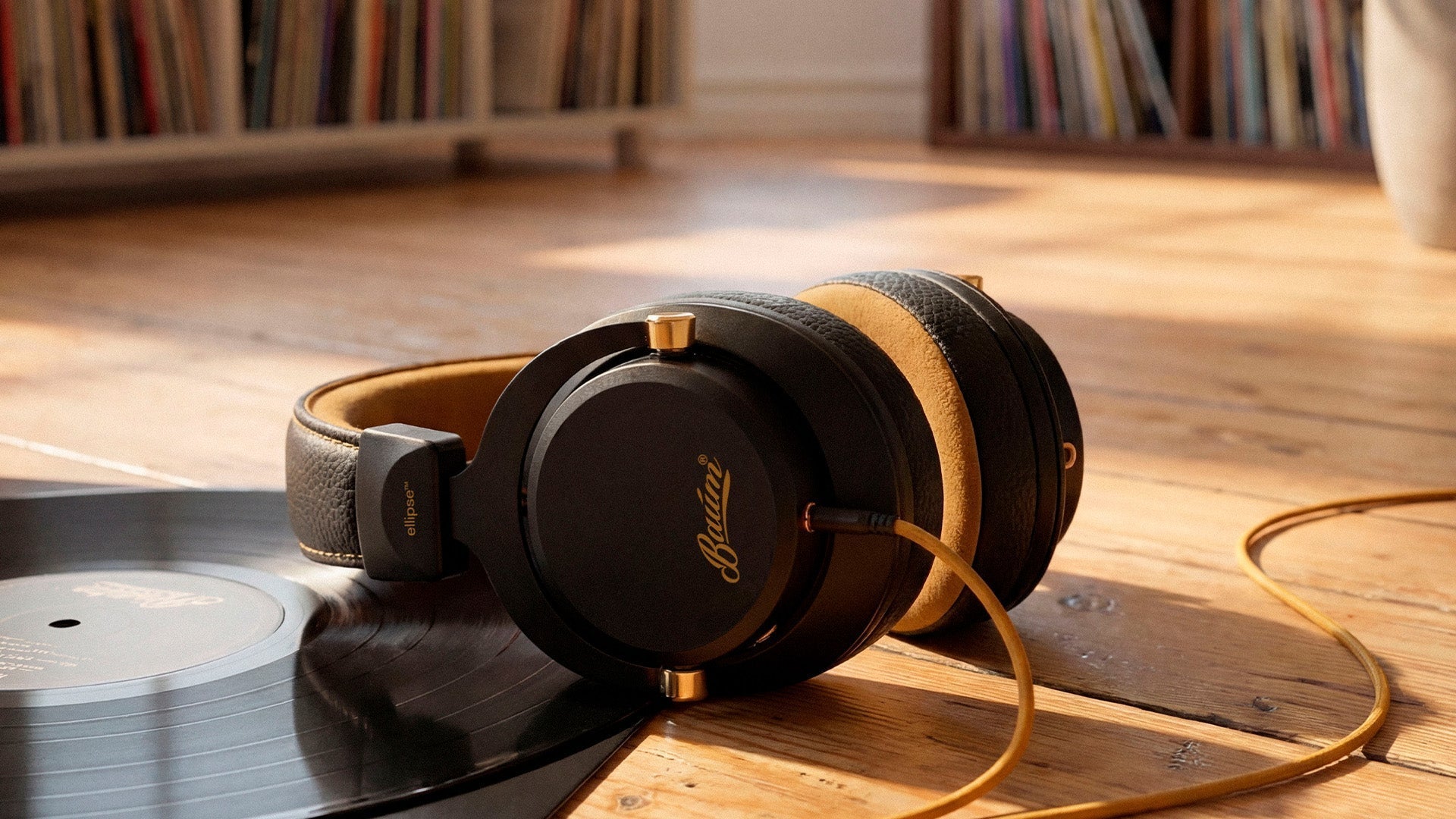
A record player and a good pair of headphones are one of the best listening setups you can have. The warmth of the analog signal, the detail in the recording, the wide soundstage — all of it comes through more clearly when you are listening closely, without distraction.
If you have a turntable and you have not tried listening through headphones, it is worth doing. It is a different experience from speakers — more intimate, more detailed, more inside the music.
That is exactly the kind of listening the ellipse™ was built for. Read more about active listening here.
Vinyl is not replacing streaming. It does not need to. It is just a reminder that how you listen matters as much as what you listen to.